Latin Culture on the World Stage
If you are considering relocating to Mexico or anywhere in Latin America, cultural context matters just as much as paperwork. A few days ago, during the Super Bowl Halftime Show, millions of people around the world saw symbols that are part of everyday life across our region. Even if you did not understand the lyrics, the imagery told a story, and those details are worth noticing.
When Bad Bunny steps onto the global stage, he does more than perform. He tells a story. Whether reggaeton is your style or not is beside the point. What I want to share is simply my perspective as a Latina watching that performance. You may see it differently, and that is completely valid. But beyond the music, I saw something meaningful in how our culture was presented to the world.
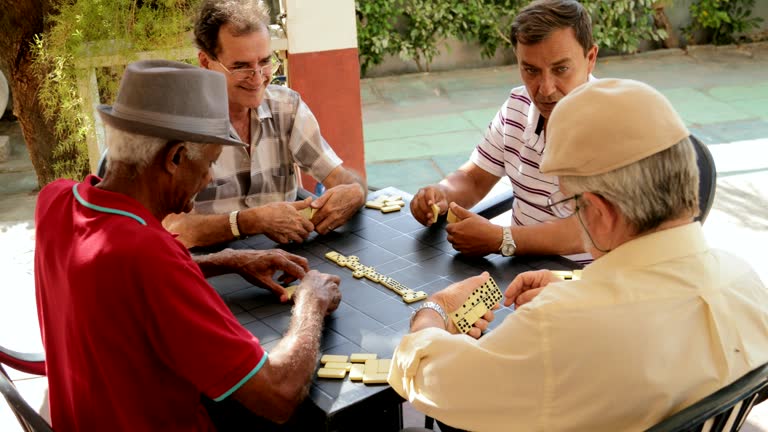
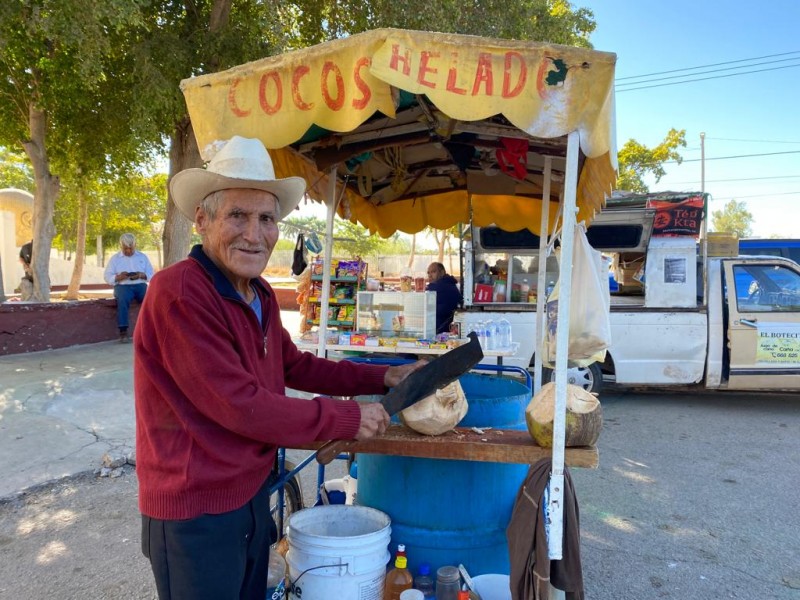
The show opens in a sugarcane field, surrounded by working people, an image tied to history, labor, and resilience. From there, the stage transforms into everyday Latin American life: people selling cocos fríos (fresh coconuts) in the park, elders playing games in the town square, tacos from the corner stand, and a gold and silve – only cash stall, since in many Latin American countries, everyday life still runs on cash, especially in small businesses and street stands, that follows into a spontaneous marriage proposal. These are not random details. They are symbols of who we are.
Bad Bunny highlights informal jobs, manual labor, and community life, reminding the world that the charm of our countries lives in daily routines, shared spaces, and collective identity. Latin culture is not built in isolation. It is built in plazas, neighborhoods, and families.
The show then shifts into reggaeton and perreo. While not everyone’s favorite genre, it is undeniably a core expression of modern Latin culture. He brings la casita, the simple, traditional Puerto Rican house he carried throughout his world tour, onto the stage. Where music, dance, noise and celebration lives, the heart of the Latino home and the barrio.
At one point, Benito Antonio Martínez Ocasio introduces himself and delivers a message that resonates far beyond music:
“If I’m here, it’s because I never stopped believing in myself. You are worth more than you think. Trust me.”

Love Without Borders
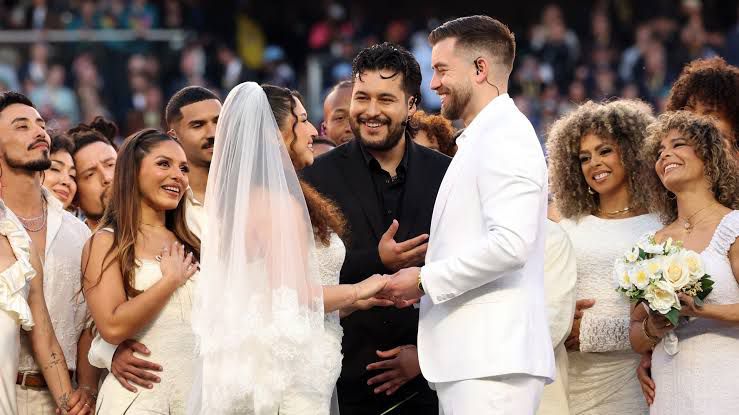
In the next segment of the Super Bowl halftime, the show takes an unexpected turn. A wedding appears on stage, accompanied by Lady Gaga (and yes, it was a real wedding). Few symbols are more powerful than a wedding. But this was not just any wedding. It was a Latin, intercultural wedding. A wedding where cake is shared, children fall asleep on chairs, families gather, and joy unfolds naturally. A wedding where borders do not divide and love becomes the common language.
During his recent tour, the signer Benito repeated a phrase that became almost a mantra: “While one is alive, one must love as much as one can.” That message returns here, reminding us that love is not secondary. It is the main purpose. The party continues. Children, couples, and families dance together until exhaustion.
Although the show presents Puerto Rico, it clearly represents all of Latin America. The experiences, the emotions, and the symbols are shared across borders.

Unity, Visibility, and Migration
The tone shifts again with songs that address deeper realities. Songs like Lo que le pasó a Hawaii (What happend to Hawaii) and El Apagón (The Blackout) point to the structural problems and inequalities in Puerto Rico, issues that are not unfamiliar to Mexico or the rest of Latin America. Our region is complex. It struggles. But it is also resilient, special, and deeply united.
“This is PR,” the show seems to say. Come see us. Come know us. Come dance with us.
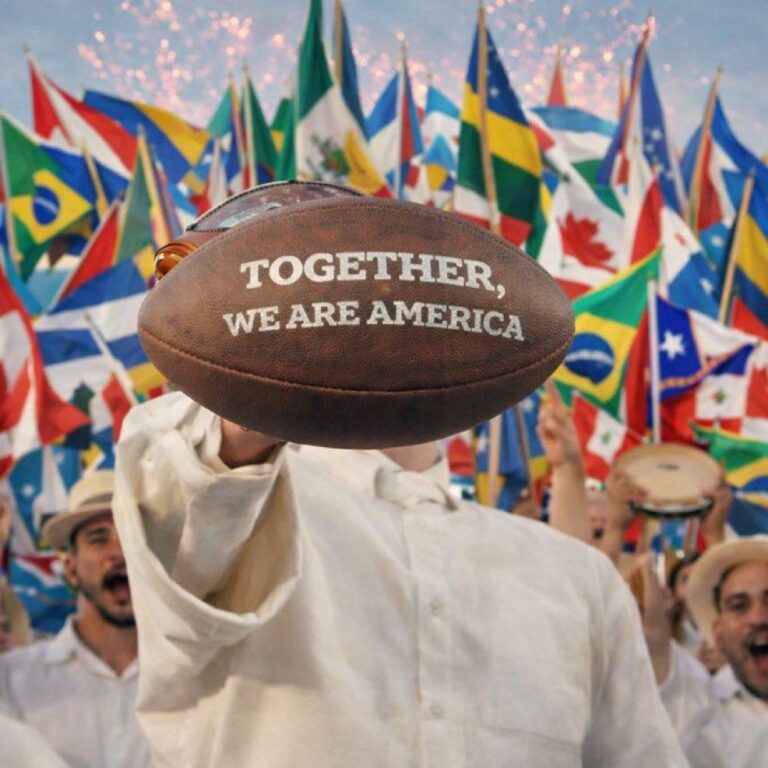
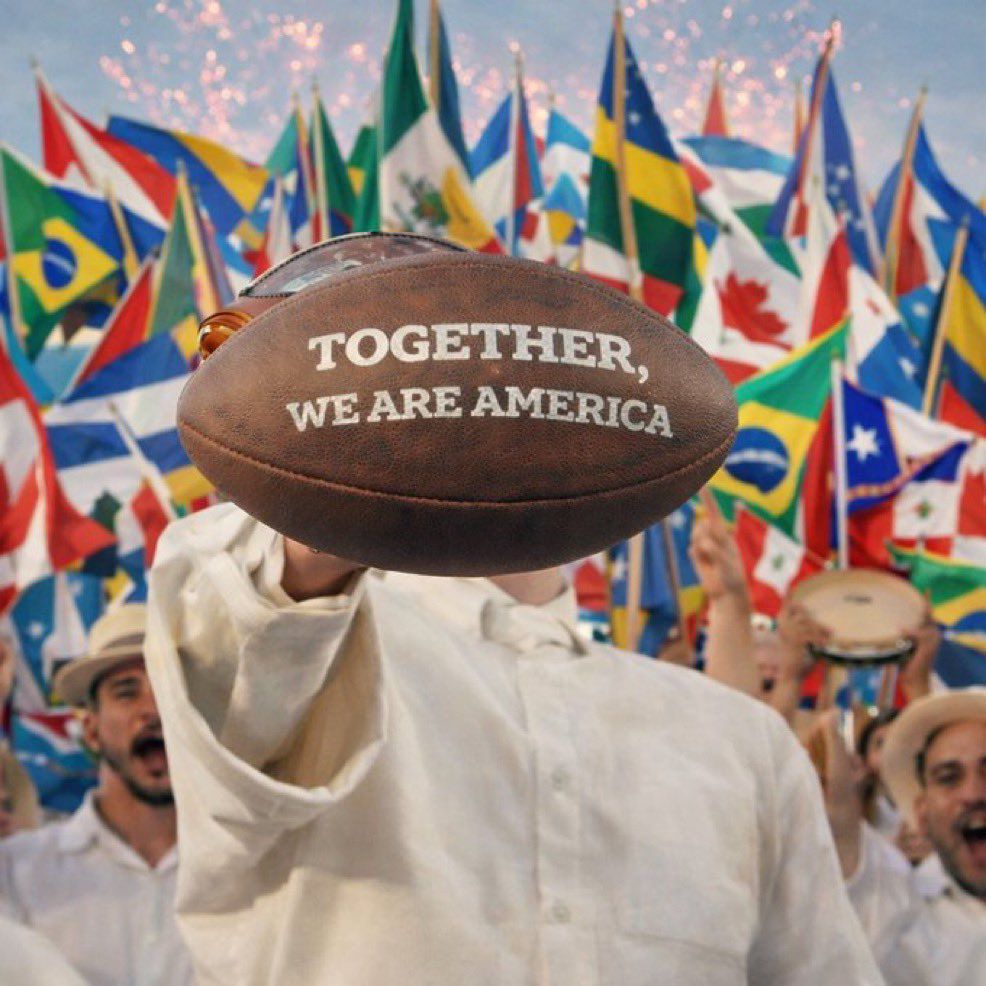
Then comes one of the most powerful moments of the night. To the rhythm of Café con Ron, flags from countries across the American continent fill the stage. Bad Bunny says:
“God bless America,” and then expands it: Argentina, Chile, Ecuador and beyond, all American countries from South to North.
Behind him, a message appears:
“The only thing more powerful than hate is love.”
And another:
“Together we are America.”
These are not simple slogans. They are intentional statements.
Bad Bunny does not confront. He does not fight. He chooses presence. He chooses kindness, visibility, and inclusion. He reminds the world that America is not one story, one language, or one culture. It is many. And migration is part of that story.
He closes with DtMF, a song full of nostalgia, turning pain into celebration. Because that is something Latin culture knows how to do well: transform hardship into music, movement, and joy.
In the end, Bad Bunny captures the essence of Latin identity and shares it with the world. He invites us to unite through love and respect.
Migration is not about invasion or loss. It is about sharing.
And we are meant to share this world.
Natalia Ruvalcaba Pellicer